

Is Hazmat Trucking Worth It in 2026? Pay, Risk, Home Time, and Career Growth
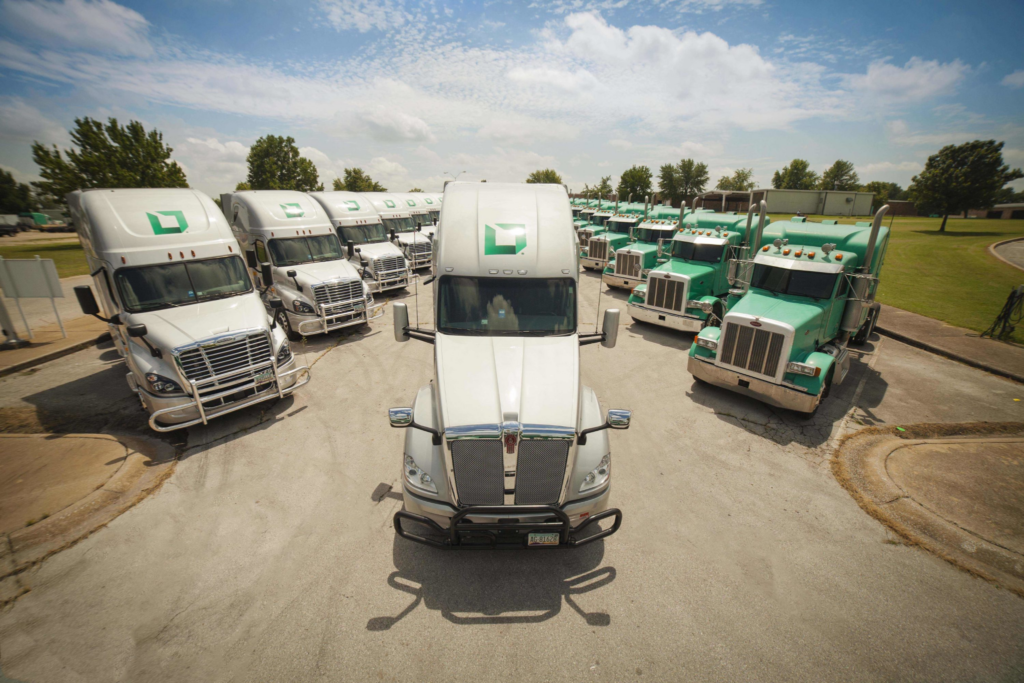
For experienced CDL-A drivers, hazmat trucking usually becomes a serious option when standard freight starts to feel limiting. The question is not just whether hazmat pays more. The real question is whether the added responsibility, training, and compliance are worth what you get in return.
For the right driver, the answer can absolutely be yes. Tri-State is currently recruiting hazmat teams and tanker drivers in all 50 states, and its public recruiting pages make its positioning clear: specialized freight, stronger pay, solid benefits, and a more specialized long-haul lane than many general OTR jobs. That is the kind of setup that makes drivers stop and ask whether hazmat is a smarter next step, not just a harder one.
If you are comparing real opportunities, Tri-State’s hazmat driver jobs page is a good starting point because it lays out current pay, requirements, and the kind of freight the company emphasizes.
What “Worth It” Actually Means
When drivers ask whether hazmat trucking is worth it, they are usually weighing four things at the same time:
- Pay
- Risk
- Home Time
- Career Growth
That is the right way to think about it. Hazmat is not just a different trailer or a different customer list. It is a more specialized lane with more screening, more structure, and more operational expectations. The upside is that specialization can make you more valuable. The tradeoff is that the job asks more from you.
That is why hazmat tends to make the most sense for drivers who want to move up into a more demanding category, not just sideways into another version of the same job.
Pay: The Upside Is Real, but It Has Context
Pay is one of the biggest reasons drivers look at hazmat, and Tri-State’s current pages are direct about that. On the homepage, the company says its average pay is $1,700 to $2,700 per driver per week and says team drivers can earn up to $2,500 per driver per week. Its team-driver page lists average pay of $2,000 to $2,500 per driver per week, while the tanker page lists guaranteed pay of $1,700 to $2,000 per week plus bonus opportunities. The company also says that among drivers with a full year or longer, 13% earned $101,000 or more, 32% earned $95,000 or more, and 64% earned $87,000 or more.
Those numbers are meaningful, but they should be read correctly. Hazmat is not “worth it” just because a pay number looks bigger on a landing page. It can be worth it because the better pay is tied to a lane with higher entry barriers, more responsibility, and more specialized freight. In other words, the money is part of the value, but not the whole value.
A driver who only wants a bigger number may not end up liking the lane. A driver who wants stronger compensation and a more specialized role is usually thinking about hazmat the right way.
Risk: More Than Just Road Risk
When people hear “risk,” they often think only about danger on the highway. In hazmat, risk also means compliance risk, documentation risk, security risk, and decision-making risk.
That matters because hazmat work is more regulated than general freight. PHMSA says hazmat employees must be trained in general awareness, function-specific duties, safety, security awareness, and driver-related responsibilities, and recurrent training is required at least once every three years. PHMSA also says a new hazmat employee or an employee who changes job functions can perform those duties before training is completed only under direct supervision, and the training must be completed within 90 days.
That tells you something important about whether hazmat is worth it. The lane offers more upside, partly because it expects more consistency. If you take pride in rules, paperwork, and doing the job the right way every time, this added structure can feel like a professional upgrade. If you prefer the simplest possible operating environment, it may feel like more pressure than payoff.
Home Time: Compare the Operation, Not the Label
Home time is where drivers often want a simple yes-or-no answer, but hazmat does not work that way.
Hazmat does not automatically mean better home time, and it does not automatically mean worse home time. What matters more is the operation behind the job: team or solo, tanker or other specialized freight, customer requirements, route design, and how the carrier runs its freight network. Tri-State’s visible recruiting pages talk heavily about pay, benefits, equipment, and requirements, but they do not present one universal home-time promise across the board. That means drivers should evaluate the schedule directly instead of assuming the word “hazmat” tells the whole story.
That is also why comparison content matters. Tri-State’s hazmat vs. standard OTR trucking article is useful in the middle of your research because it frames the decision around more than just pay. It helps put responsibilities, lifestyle, and the bigger career picture into context.
Career Growth: This Is Where Hazmat Often Wins
This is the part many drivers underestimate.
Hazmat can be worth it because it changes your professional positioning. Once you move into a regulated, endorsement-backed lane, you are not just another general OTR driver. You are building a résumé around specialized freight, higher-trust work, and stronger operational standards.
There is also a real barrier to entry. FMCSA says first-time applicants for a hazardous materials endorsement are subject to Entry-Level Driver Training. TSA says drivers seeking to obtain, renew, or transfer an HME must complete a threat assessment. TSA also says the current fee for new and renewing applicants is $85.25, recommends applying at least 60 days before you need a determination, and notes that some processing times may exceed 45 days. TSA says HME renewal is generally required every five years, although state license cycles can create shorter review timing.
That process is exactly why hazmat can become a stronger long-term move. The lane is not open to everyone in the same easy way that broad freight categories are. The credentials, screening, and training create a narrower field, which can make the right driver more valuable once they are in.
So, Is Hazmat Trucking Worth It in 2026?
For the right driver, yes.
Hazmat is often worth it when:
- You Want A More Specialized Career Path
- You Are Comfortable With Training And Compliance
- You Take Safety And Documentation Seriously
- You Want More Than General OTR Freight Long Term
- You Are Willing To Meet The Endorsement And Screening Requirements
It may be less worth it when:
- You Only Want A Bigger Number Without More Responsibility
- You Dislike Structure, Rules, Or Recurrent Training
- You Want The Simplest Possible Operating Environment
- You Are Not Interested In Building A More Specialized Career Lane
That is why hazmat is not a universal upgrade. It is a targeted one. For drivers who want specialization, stronger earning potential, and a more clearly defined professional lane, it can be a very smart move.
What Drivers Still Want to Know
Does hazmat always pay more than standard OTR?
Not in every single job, but hazmat roles are often marketed at a premium because they require more from the driver. The smart move is to compare real job structures, not just job titles.
Is the endorsement process a major obstacle?
It is a real step, but it is manageable for serious drivers. The process includes training, screening, fees, and timing, which is exactly why it creates a more selective lane.
Is hazmat a smart long-term move?
It can be, especially for experienced drivers who want to move into a role that rewards professionalism, compliance, and specialization more directly than general freight does.
When the Extra Effort Pays Off
Hazmat trucking is worth it when the added demands line up with the kind of career you want to build. If you want a role that asks more of you but can also return more in pay, specialization, and long-term positioning, hazmat can be one of the better moves you make as an experienced CDL-A driver.
The key is to evaluate it honestly. Look at the compensation, but also look at the structure. Look at the opportunity, but also look at the fit. If that balance makes sense for where you are now, the next step is to compare real openings and requirements, not just headlines. Tri-State’s current hazmat team driver openings are a strong place to start if you want to see what that next step looks like in practice.